If you have ever switched between a budget shuttle and a well-built feather shuttle in the same session, you already know the difference is not subtle. The feel off the string bed changes, the descent changes, and your timing changes with it. That is where natural cork shuttlecock benefits become easy to notice – especially for players who train seriously and want equipment that responds with consistency instead of compromise.
For competitive practice, coaching environments, and match preparation, the shuttlecock is not just a consumable. It is part of the performance system. The base material plays a major role in how the shuttle leaves the racket, holds its line, and behaves under repeated impact. Natural cork has remained a preferred choice for good reason.
Why the shuttle base matters more than many players think
Most players first judge a shuttle by its speed or feather quality, but the base is what starts the contact. At impact, the cork compresses, rebounds, and transfers energy through the skirt. If that compression is inconsistent, the entire shot feels less precise. Clears can float differently, net shots can come off too soft or too dead, and drives can lose the sharp, direct response advanced players rely on.
Natural cork offers a more uniform and controlled compression profile than many synthetic alternatives. That matters because badminton is a game of very small margins. A shuttle that reacts predictably supports better touch at the front court, cleaner defensive blocks, and more reliable timing on attacking shots.
For serious players, this is not a luxury feature. It is part of repeatable performance.
Natural cork shuttlecock benefits in real play
More consistent flight behavior
One of the strongest natural cork shuttlecock benefits is flight stability. A quality natural cork base supports balanced construction, which helps the shuttle recover its shape and orientation quickly after contact. The result is a more predictable trajectory from shot to shot.
That consistency becomes especially valuable during multi-shuttle training and structured drills. When each shuttle behaves similarly, players can focus on technique, spacing, and racket preparation instead of constantly adjusting to equipment variation. Coaches also get a cleaner read on player execution because the shuttle is not introducing as much noise into the session.
Cleaner feel at impact
Natural cork produces a more solid and refined contact sensation. Players often describe it as crisp without being harsh. On net kills, pushes, lifts, and sliced drops, that feel matters because it improves feedback through the racket.
Better feedback helps players make faster micro-adjustments. You can sense whether you contacted the shuttle cleanly, whether the racket face angle was right, and whether the shot had the intended pace. Synthetic bases can sometimes feel overly hard, overly soft, or simply less connected. That may not matter much in casual play, but it matters a lot in technical training.
Better control on touch shots
Control is not only about racket technology or string tension. The shuttle contributes directly. Natural cork tends to deliver a more measured rebound, which helps on shots where pace management is critical.
At the net, that means tighter spinning shots and better confidence when holding the shuttle short. In the midcourt, it supports controlled blocks and flatter counters. On defensive lifts, it can help players place the shuttle with more intention instead of simply sending it high and hoping for recovery time.
This is one reason advanced players often prefer natural cork shuttles for sessions focused on precision rather than just volume.
Durability is not just about how long it lasts
Some buyers assume durability means the shuttle that survives the most hits is automatically the best value. That is only partly true. In performance badminton, useful durability matters more than simple survival.
A natural cork base often retains playable feel longer, even as the feather skirt begins to wear. That means the shuttle may continue to deliver stable contact and acceptable flight deeper into its usable life. Lower-grade synthetic bases can become inconsistent sooner, even if the shuttle still looks playable.
This distinction matters for clubs, academies, and tournament preparation. A shuttle that remains match-like for more of its lifespan gives better training quality. It also reduces the number of moments where players have to compensate for erratic bounce off the strings or unstable descent.
That said, natural cork is not automatically the longest-lasting option in every environment. In very high-volume recreational use, some hybrid or synthetic-base shuttlecocks may offer lower cost per session. The trade-off is usually performance refinement.
How natural cork supports player development
Developing players need repetition, but they also need honest feedback. Equipment that masks poor timing or creates random flight behavior can slow progress. Natural cork helps create a more accurate training environment.
When the shuttle responds consistently, players can build better contact habits. They learn how a clean hit should feel. They recognize the difference between a well-controlled net shot and one that sat up too high. They can trust that a mistimed smash was a technical issue, not just a faulty shuttle.
For coaches, this is practical. It makes drills more productive and helps technical corrections stick faster. For ambitious club players, it means practice transfers more effectively into competition.
The performance difference in fast exchanges
High-speed badminton exposes every equipment weakness. During drives, interceptions, and quick front-court exchanges, the shuttle has to respond immediately and cleanly. Natural cork typically performs better here because the impact response is more stable.
That stable response helps preserve shot accuracy under pressure. A blocked smash can stay low instead of floating. A counter-drive can hold its line instead of wobbling off trajectory. A front-court tap can feel precise rather than vague.
These are small details, but competitive matches are decided by small details.
When natural cork makes the most sense
Natural cork is a strong choice for players who value realistic match feel, better touch, and more dependable flight. It is especially well suited for advanced training groups, academy settings, coaches running technical sessions, and players preparing for tournaments.
It also makes sense for serious recreational players who care about quality and want the game to feel sharper. If you invest in a high-performance racket, premium strings, and stable court shoes, using a better shuttle completes the setup.
Where it depends is budget and usage pattern. For casual backyard hitting or large-volume beginner sessions, lower-cost shuttle options may be more practical. If the goal is basic participation, the premium feel of natural cork may not be necessary every time. But if the goal is skill development, control, and match-ready response, the upgrade is easy to justify.
Choosing the right shuttle, not just the premium one
Not every natural cork shuttle is built to the same standard. Cork quality, feather grading, bonding, and overall construction all influence performance. A good shuttle should feel balanced, recover well after impact, and maintain speed and flight with minimal variation.
Players should also match shuttle selection to session type. For example, a technical drill block, match simulation, and academy training session may each call for a slightly different balance of durability and performance. The right choice is the one that supports the level and objective of play.
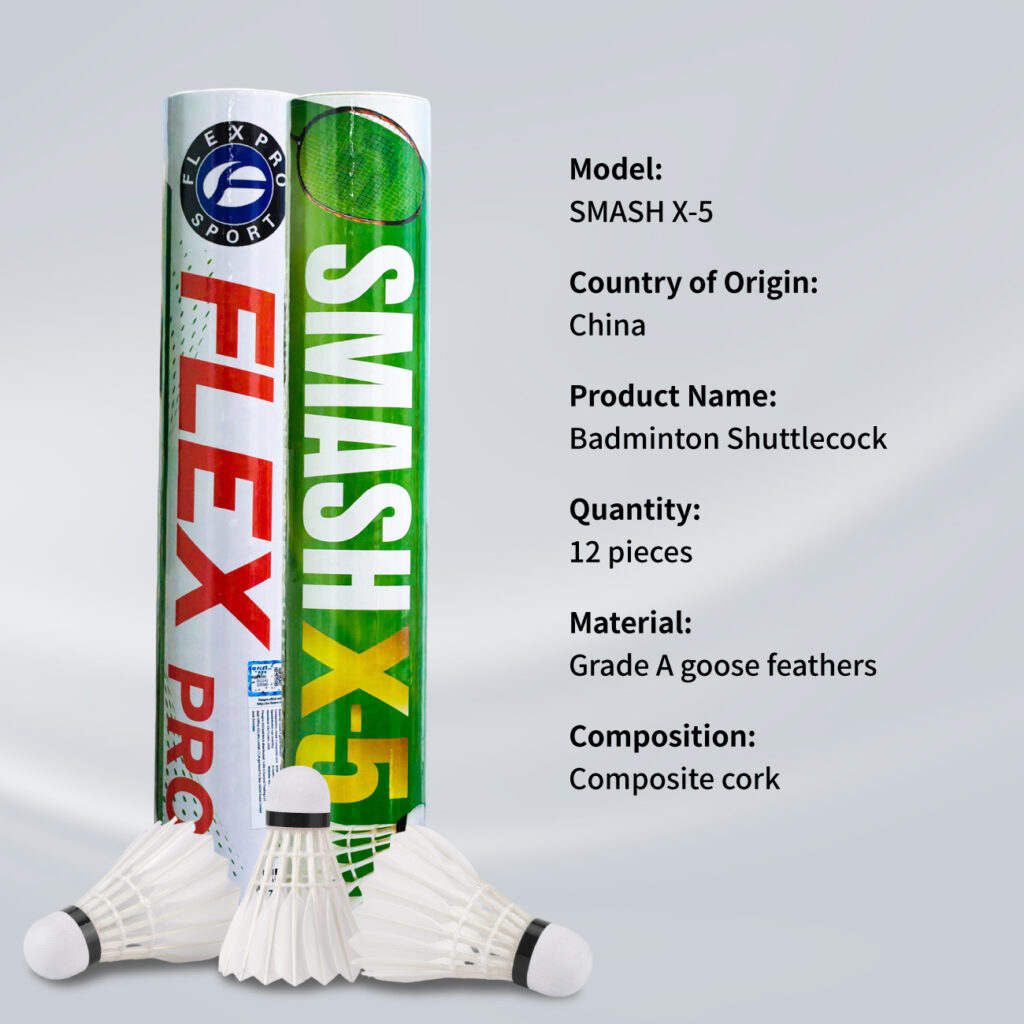
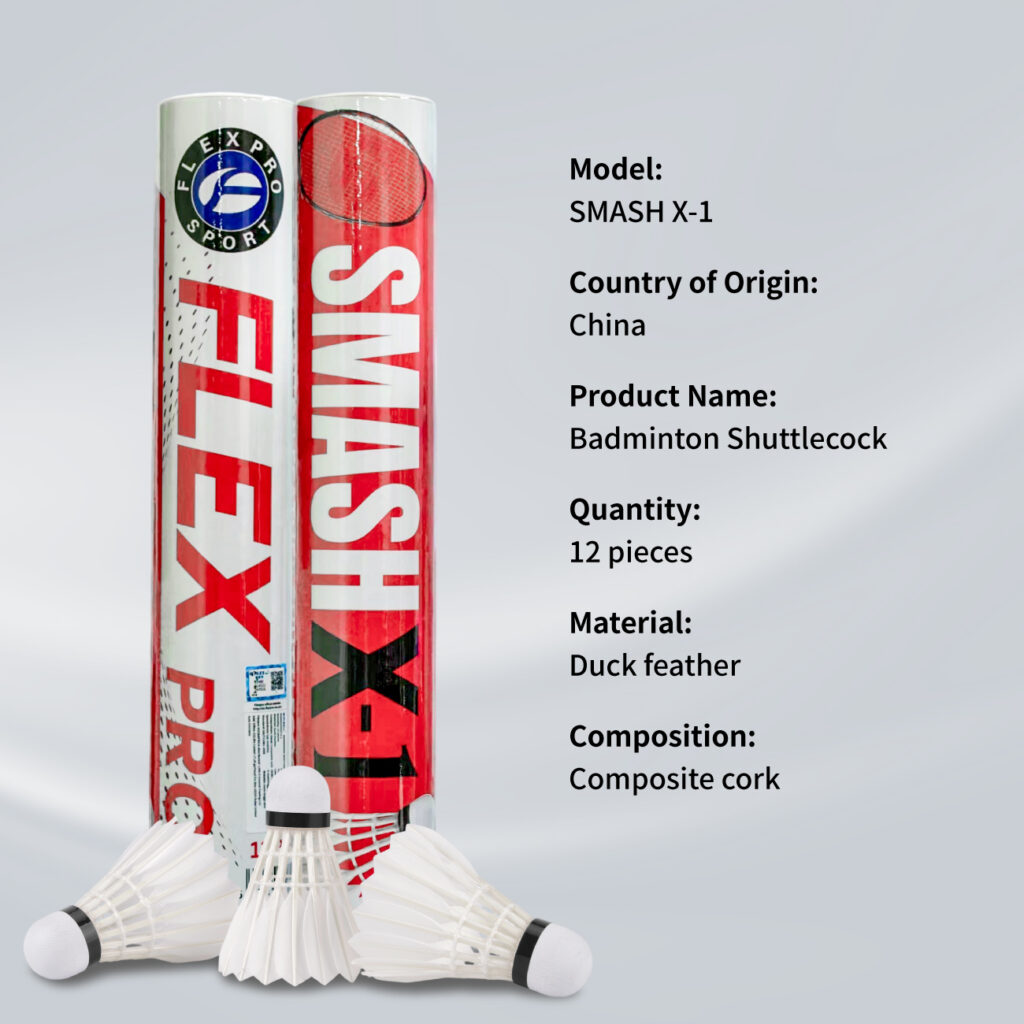
Brands focused on badminton-specific performance, including specialists such as Flexpro UAE, understand this distinction. The best equipment decisions come from looking beyond price alone and evaluating what the shuttle actually delivers on court.
The long-term value of better shuttle performance
There is a practical reason experienced players stay loyal to natural cork bases. Better shuttles reduce bad habits. They improve the quality of repetition. They make sessions feel more precise, more competitive, and more productive.
Over time, that has value beyond one tube of shuttles. Training quality improves. Shot confidence improves. Players make cleaner technical decisions because the equipment is giving them a more truthful response.
If your badminton is moving beyond casual play, the shuttlecock should not be the weakest part of your setup. Natural cork gives the game a more controlled, connected, and competition-ready feel – and once you get used to that level of response, it is hard to go back.
The right shuttle should help your timing, not test your patience.